"Starting from Azheke" — The 2026 Sun Yat-sen University Tourism Management Internship and the 4th International Study Tour Summer Camp Successfully Concluded
To fulfill the fundamental task of fostering virtue through education, deepen practice-oriented field teaching, and explore innovative paths for integrating teaching and research in the new liberal arts, the School of Tourism Management at Sun Yat-sen University has, since 2018, continued tocarry out professional internship teaching under the "Azheke Project" led by Professor Bao Jigang,and has established a provincial-level practical teaching basein Guangdong. Since 2022, the school has upgraded this professional internship into an international study tour summer camp. Over the years, more than 200 tourism management students and faculty members from China and abroad have been organized to conduct field research at the Hani Terraces, a World Heritage site in Yuanyang, Honghe, Yunnan. This initiative has built an international academic exchange platform rooted in China's rural practice and showcased the achievements of Chinese-style modernization.
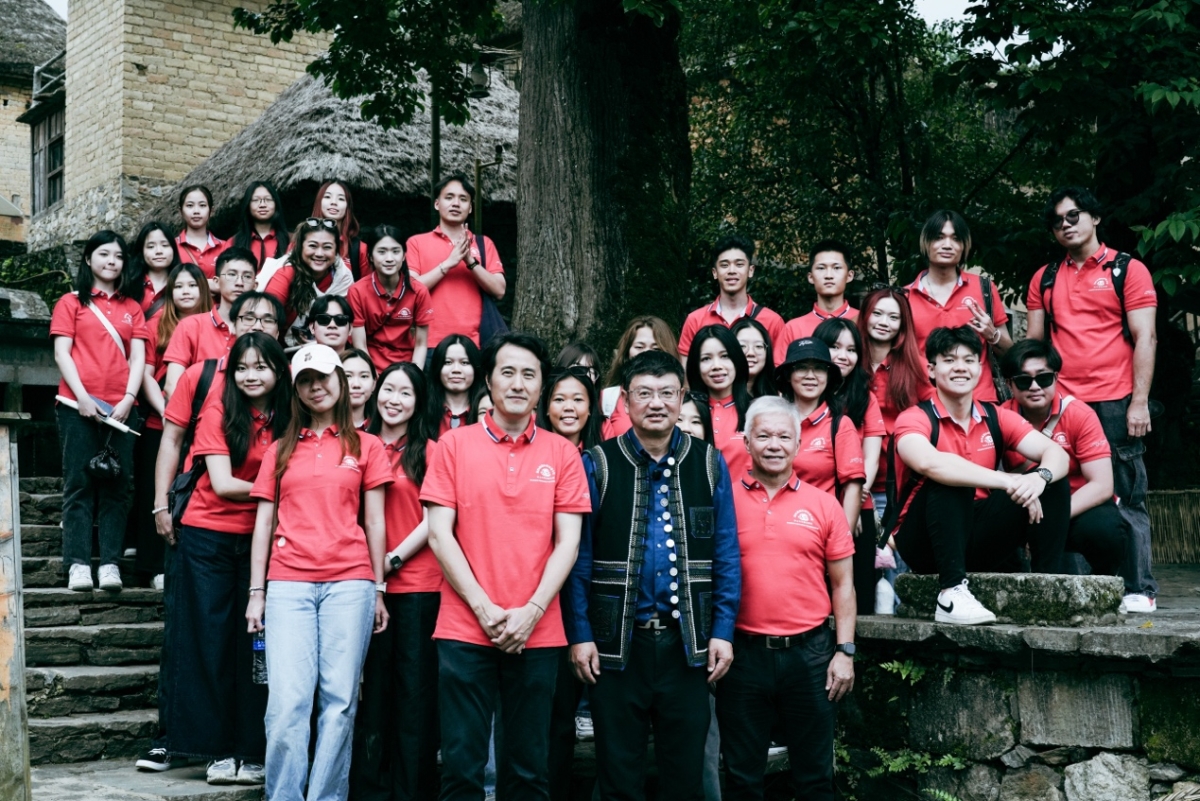
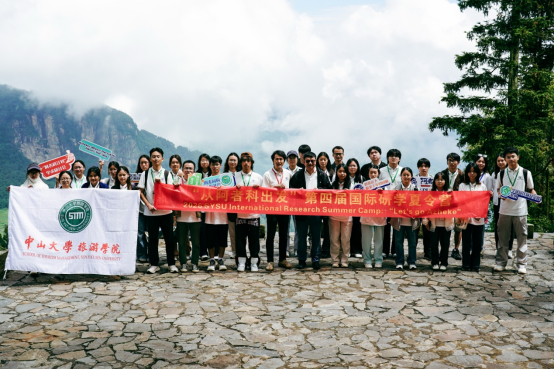
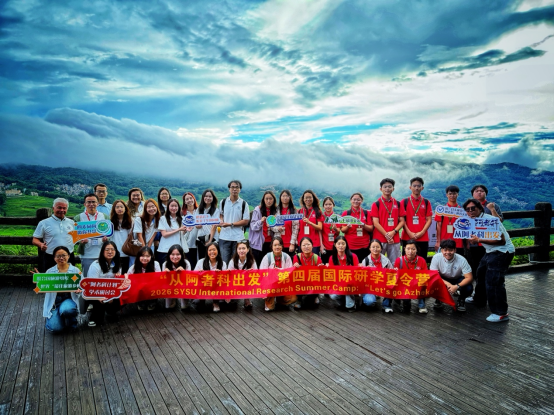
From July 6 to 10, 2026, the 2026 Sun Yat-sen University Tourism Management Internship and the 4th International Study Tour Summer Camp was held as scheduled. The event gathered 63 faculty and students from multiple universities, including the School of Tourism Management at Sun Yat-sen University, Singapore University of Social Sciences, University of Macau, and Northwest Normal University, etc. Theytraveled to Azheke Village, a core village of the Hani Terraces World Heritage Site located in Yuanyang County, Honghe Prefecture, Yunnan Province, to carry out a five-day immersive field study and research practice. This summer camp was co-hosted and guided by the Higher Education Tourism Assistance Alliance of the Ministry of Education’s Development Planning Department, the UNESCO Chair on Sustainable Tourism in UNESCO Designated Sites, and the School of Tourism Management at Sun Yat-sen University. The study tour instructor team consisted of Professor Bao Jigang, Professor Liu Yi, and Associate Professor Gao Jun from Sun Yat-sen University, as well as Dennis Lee from Singapore University of Social Sciences.
Introduction to the Azheke Plan 2.0:
In 2018, Professor Bao Jigang’s team launched a tourism planning project for the Yuanyang Terraces, and selectedAzheke Village as a pilot site for tourism-driven poverty alleviation and heritage protection, officially launching the "Azheke Plan." With the coordinated support fromthe local government and on-station village officials,theresearch institute has continuously arranged graduate students to work and operate in the village.A total of 26 graduate studentshave been dispatched, and each stayedinthevillagefor 6 to 14 months. As of the first half of 2026, the plan has completed 13 rounds of profitdistribution with villagers;the project has received a total of 367,700 tourists, bringing a total tourism revenue of 9.4519 million yuan, and villagers have accumulated a total of 4.0066 million yuan in dividends, bringing an average increase of 61,640 yuan to household income. As a typical example of community tourism empowering rural modernization, the "Azheko Plan" has been selected as one of the Top Ten Typical Targeted Poverty Alleviation Projects by the fourth batch of directly affiliated universities under the Ministry of Education, and is also included in the Ministry's first batch of New Liberal Arts Research and Reform Practice Projects. It has been reported multiple times by mainstream media including CCTV, forming a replicable and scalable practical model for rural revitalization,andproviding complete practical references for related rural cultural tourism assistance projects such as the Tuyugou Plan and Fengqing Plan. In March 2026, the "Azheko Plan 2.0" was officially launched, adding four special funding pools for elderly care, educational assistance, residential environment improvement, as well as scenic area operation and maintenance, and establishing a long-term development mechanism for common prosperity. The 14thon-site profit-sharing event held during this summer camp was the first full dividend distribution under version 2.0.
Joint Internship Content
1.Camp Opening Icebreaker: Breaking Regional Barriers and Building Transnational Communication Links
Affected by typhoon weather, the research and study trip of Sun Yat-sen University teachers and students to Yunnan was delayed, so some activities had to be carried out separately. However, aAll professional internship tasks were ultimately completed smoothly and on schedule. After the Sun Yat-sen University team arrived at the Yuanyang internship base, they successfully met up with teachers and students from the Singapore University of Social Sciences. During the icebreaker activity, 63 teachers and students from the two institutions at home and abroad introduced themselves in turn, and carried out interesting collaborative sharing in cross-school mixed groups. This activity effectively eliminated communication barriers caused by regional differences, institutional boundaries and language issues, quickly built a transnational and cross-institutional communication and cooperation connection, and laid a solid foundation for the subsequent joint field research and group project discussions. It also helped young students from different countries and universities quickly integrate into the unified research and study team.
2.In-depth Fieldwork in Azheko Village: Observing Dividend Distribution and Conducting Research Rooted in Villages and Farmland
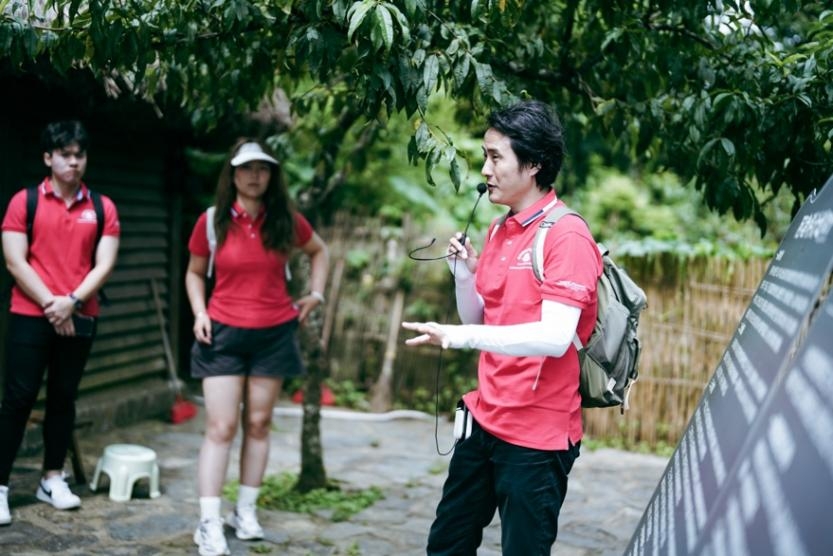
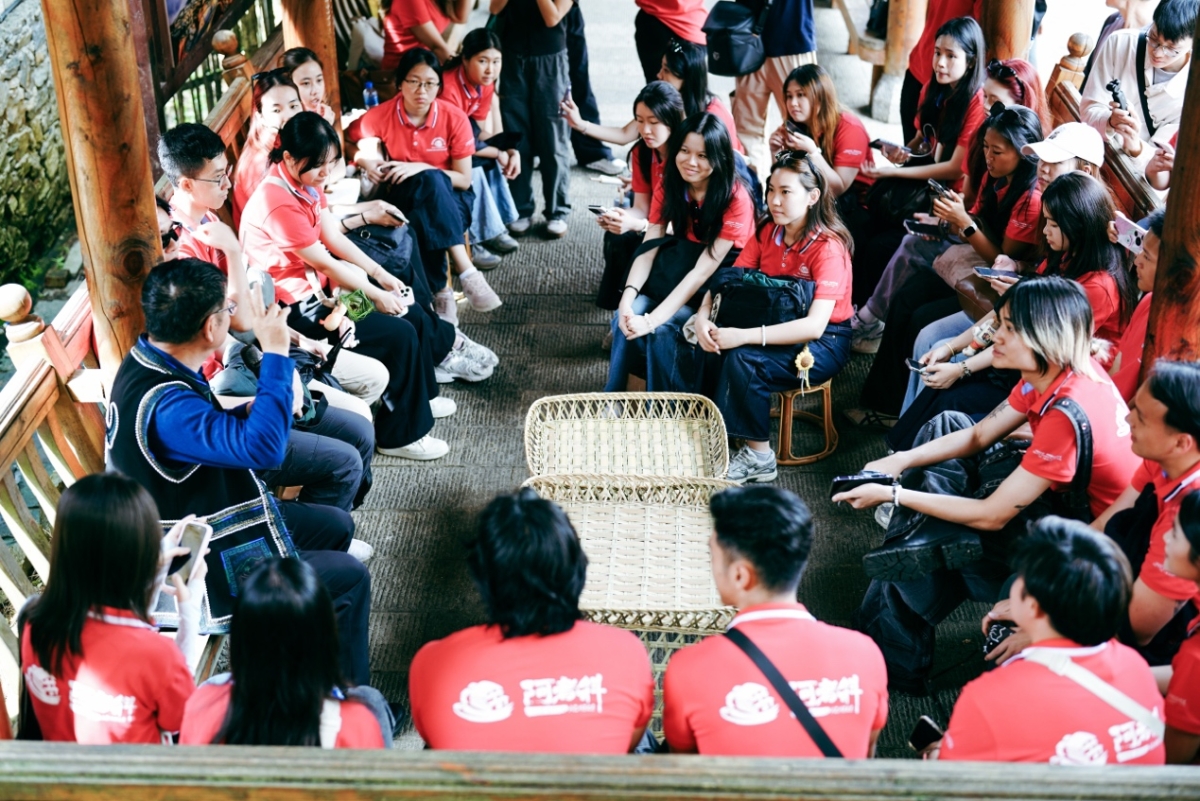
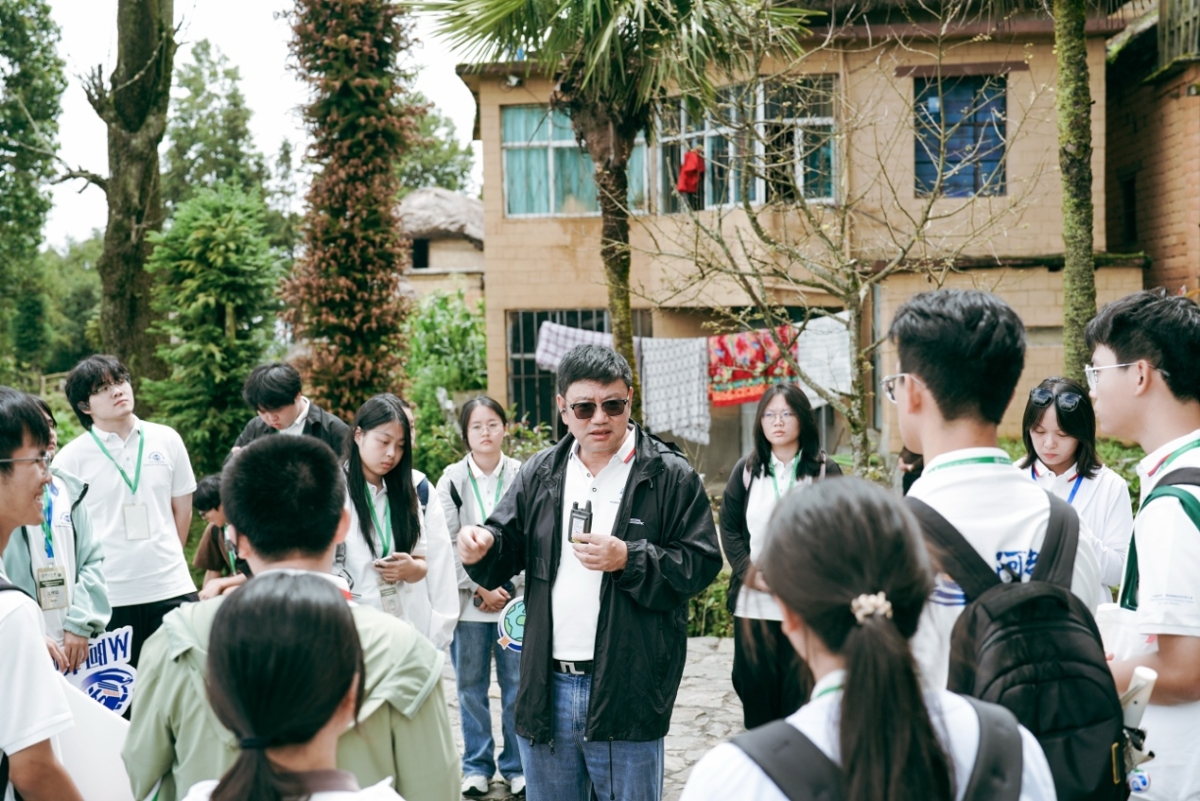
At the internship base, Professor Liu Yi systematically explained the development history of tourism in Azheko Village, the current construction progress of various infrastructure projects, as well as the current situation of operation and management. He analyzed the design concept that balances tourism supporting facilities and cultural heritage protection in this World Heritage village, and explained to the research and studyteachers and students the various physical details of the Hani ethnic group's "Four Elements Isomorphic" ecosystem. After the introduction, each research group split up to explore the streets and alleys of the village, and personally experienced traditional activities including making bamboo backpacks, grass weaving and plant dyeing. They visited the traditional Hani mushroom houses, conducted in-depth face-to-face interviews with local villagers, recorded how life has changed through terraced field labor, intangible cultural heritage embroidery and tourism-related employment, and identified the real challenges and development opportunities facing ethnic village tourism development.
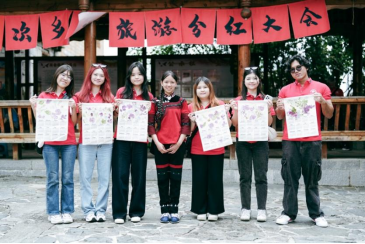
The highlight of this study tour was observing the 14th rural tourism dividend distribution meeting in Azheke Village.The teachers and students witnessed on-site the whole process of villagers verifying accounts, signing registration forms and receiving dividends from the cultural tourism industry, which gave them a direct understanding of how the rural tourism industry has brought stable income growth to local residents. After attending the dividend distribution event, the teachers and students listened to Professor Bao Jigang’s detailed explanation of the design concepts, practical challenges and solutions for Azheke’s development system.
3.Terraced Fields Museum Study and Discussion
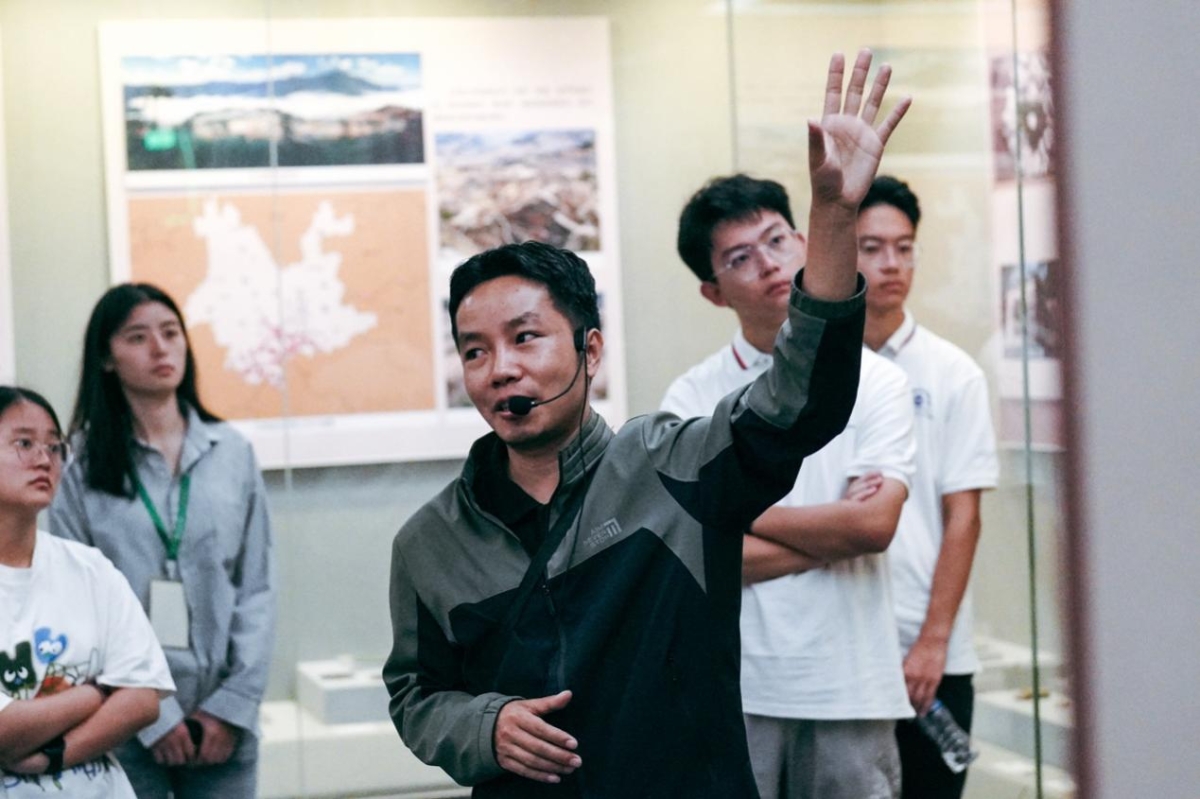
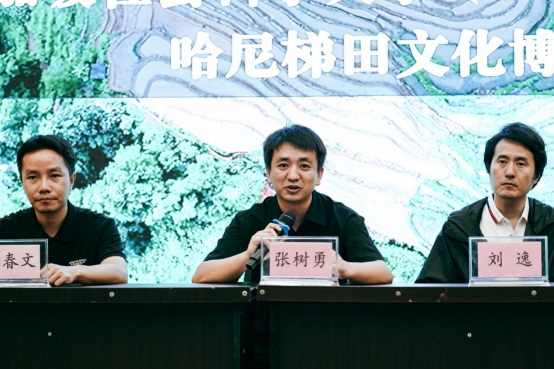
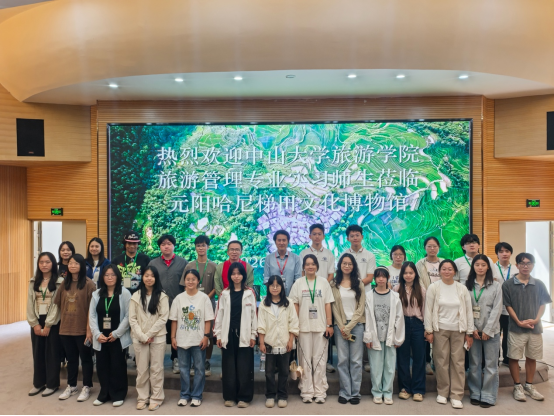
The study group visited the Yuanyang Hani Terraced Fields Museum to carry outthe special study and discussion. They systematically learned about the Hani people's millennia-old agricultural civilization, the unique "four-element isomorphism" mountain ecological system, as well as local traditional folk customs and rituals. They reviewed Azheke'sfull development trajectory from a traditional farming village to a world-class cultural tourism heritage site.The participants combined professional theories of heritage protection to conduct in-depth exchanges with leaders from the Yuanyang County Culture and Tourism Bureau and the museum director.Meanwhile, they carried out on-site documentation of the museum's popular science exhibits, pinpointed areas for optimization and improvement in the museum'soperation and cultural dissemination, and sorted out and compiled research records and materials.
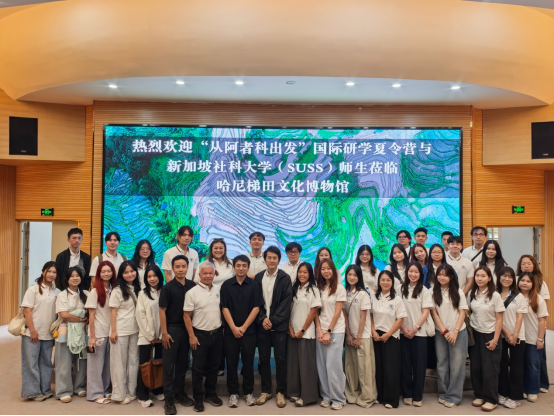
4.Comprehensive Field Study of the Core Area of Yuanyang Terraces: Walking Research on Village Development and Comparative Analysis of Tourism Models
In addition to Azheke Village, all teachers and students carried out in-depth visits to the core area of the Hani Terraces World Heritage Site, covering the Duoyishu, Bada, and Laohuzui scenic spots. They systematically explored topics including the rise, expansion and development bottlenecks of world heritage tourism, and studied the key processes of the landslide, repair and reopening of the Laohuzui scenic area. Drawing on classic theories of the tourism destination life cycle, the group collectively reflected on the tourism operation models of the terracesand theirindustrialeffectsiveness, development shortcomings. They learned about the impact of tourism on traditional villages, and its close connection with environmentalcarrying capacity and sustainable development, and carried out comparative research with the innovative community co-construction and operation model of Azheke Village.
5.Multiple Thematic Academic Lectures: Chinese and Foreign Scholars Jointly Explore Sustainable Development of Rural Tourism
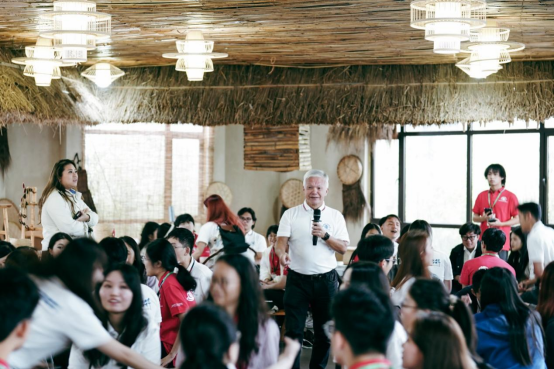
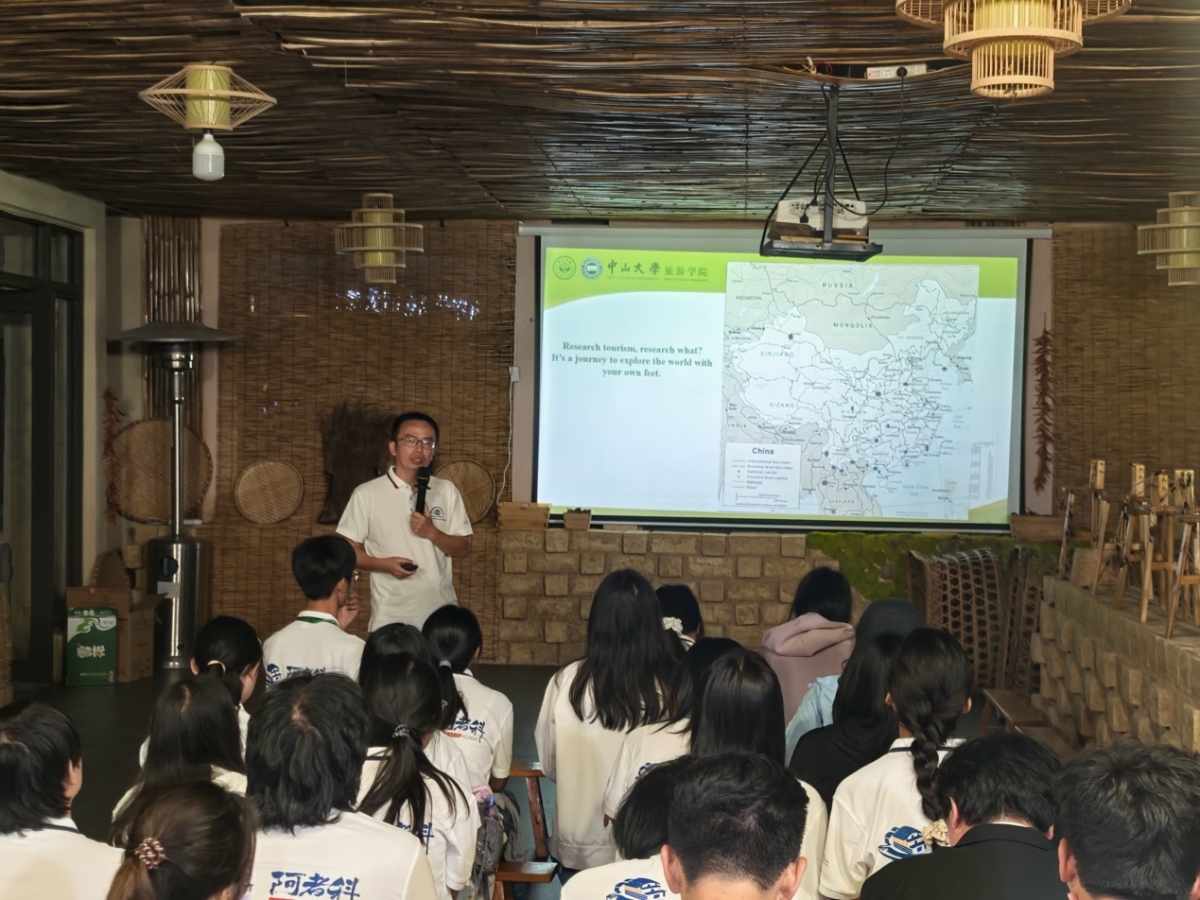
During the study tour, several professional thematic lectures were held to build an academic exchange platform for teachers and students from China and other countries. Professor Bao Jigang shared insights focusing on the replicable promotion path of the "Azheke Model" and the sustainable tourism development of world heritage sites, and interpreted the characteristics of Chinese rural tourism development through a number of domestic rural cultural tourism pilot projects.In the interactive sessions, teachers and students from China and abroad carried out in-depth discussions on core topics such as the living inheritance of ethnic culture, the balanced development of heritage tourism, and the distribution of community benefits. Faculty and students from the Singapore University of Social Sciences shared overseas practical experience based on actual cases of heritage tourism in other countries. The multi-disciplinary perspectives from various countries broadened the research horizons of all participants.
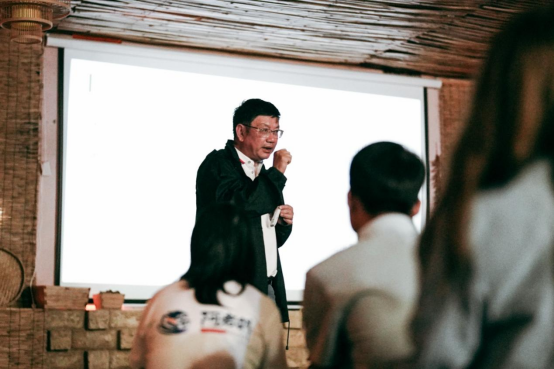
Professor Liu Yi held a special review session, providing a comprehA comprehensive recap of the entirepreparation process for the 2018 "Development Strategy Research for the Yuanyang Hani Terraces Tourism Area". He outlined the full development journey of the "Azheko Plan", from its initial planning concept to its completion as a tangible project. Healso elaborated on the entire process of the "Fengqing Plan" in supporting rural revitalization, and combined the day's field visit materials to carryout discussions and exchanges with the students.
Associate Professor Gao Jun held a systematic research sharing session focusing on the implementation of rural tourism planning and the long-term operation mechanism of heritage villages. He analyzed practical problems in the marketing promotion of ethnic villages, the improvement of living environments, and the distribution of community benefits. He also put forward targeted and practical strategies for planning optimization and sustainable industrial operation, providing professional guidance for students' follow-up research projects.
6.Research Study Camp Closing Summary: Reviewing Practical Achievements, Successfully Concluding the Study Activities
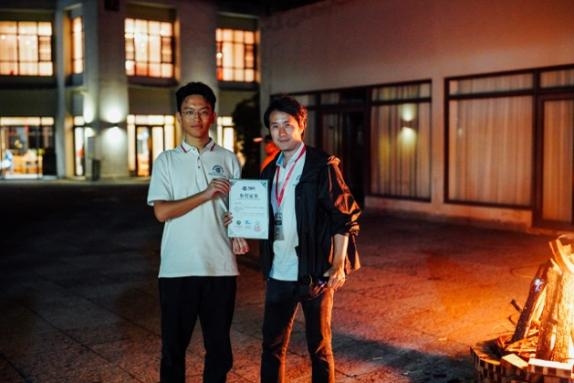
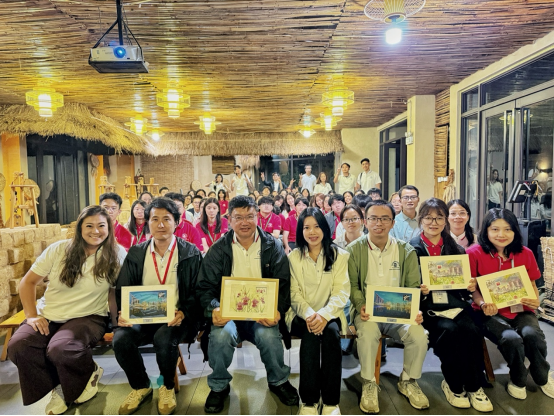
At the internship summary meeting and closing ceremony, the leading teachers summarized the key points of the internship, campers shared their insights and experiences, and the on-site interactive exchange was very active. All campers were awarded certificates. With this, all sessions of the multi-day field research, academic exchanges and on-site practice have been completed, marBringing the successful conclusion of this professional summer camp.